Celebration of Chatra Divas
March 31, 2026Report on Special NSS Camp at Naisholya Village
March 31, 2026Field Study Report: Visit to Tezpur Historical Sites
Department of History
Golaghat Purbanchalik College
Date of Visit: 28th March, 2026
Introduction
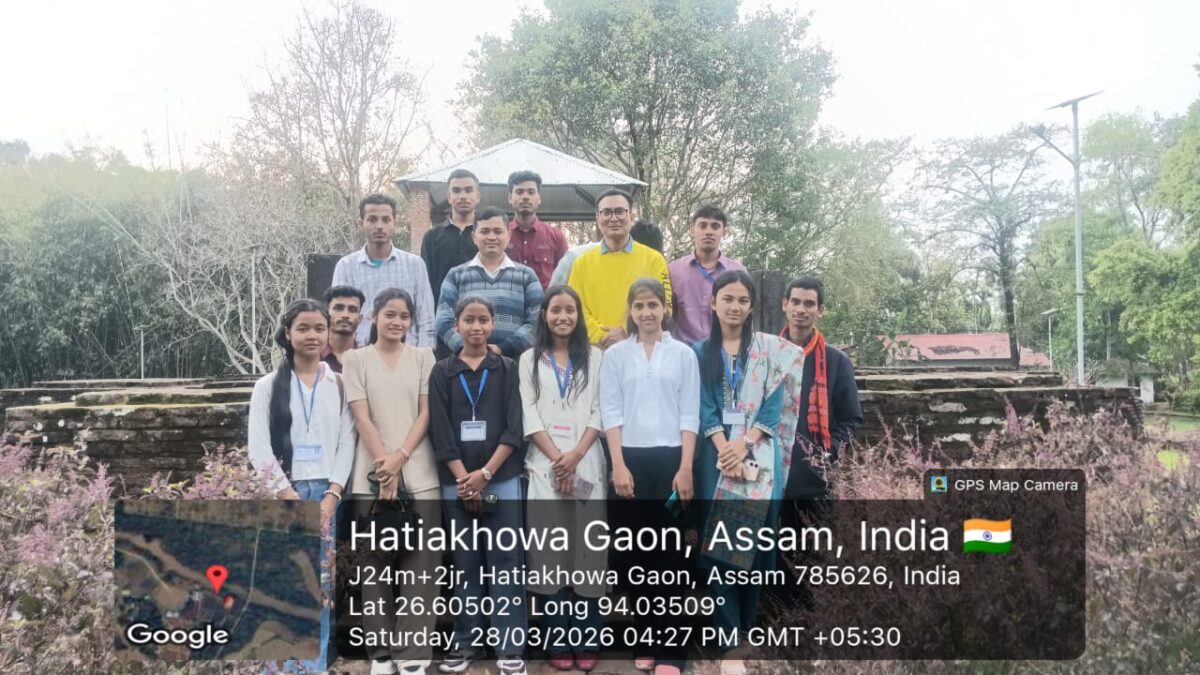
As part of the academic curriculum, the Department of History, Golaghat Purbanchalik College, organized an educational field study to the historically significant sites of Tezpur, Assam. The visit was conducted under the guidance of Pranjal Saikia, Head of the Department of History. The primary aim of the field study was to provide students with practical exposure to historical monuments and enhance their understanding beyond classroom learning.
Participants
More than 40 students from the 2nd, 4th, and 6th semesters actively participated in the field study. The enthusiastic involvement of students contributed to the success of the educational tour.
Places Visited
During the field study, students visited several important historical sites in Tezpur, including:
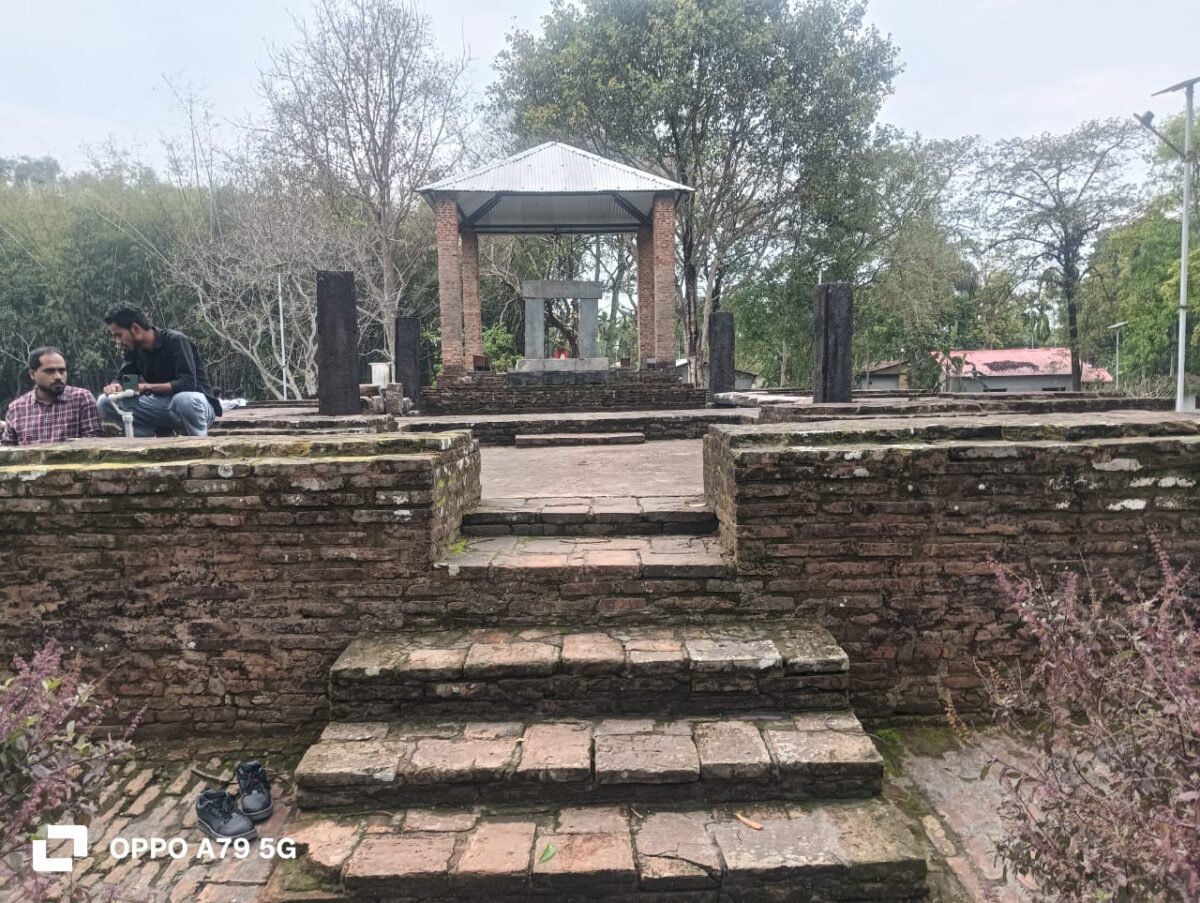
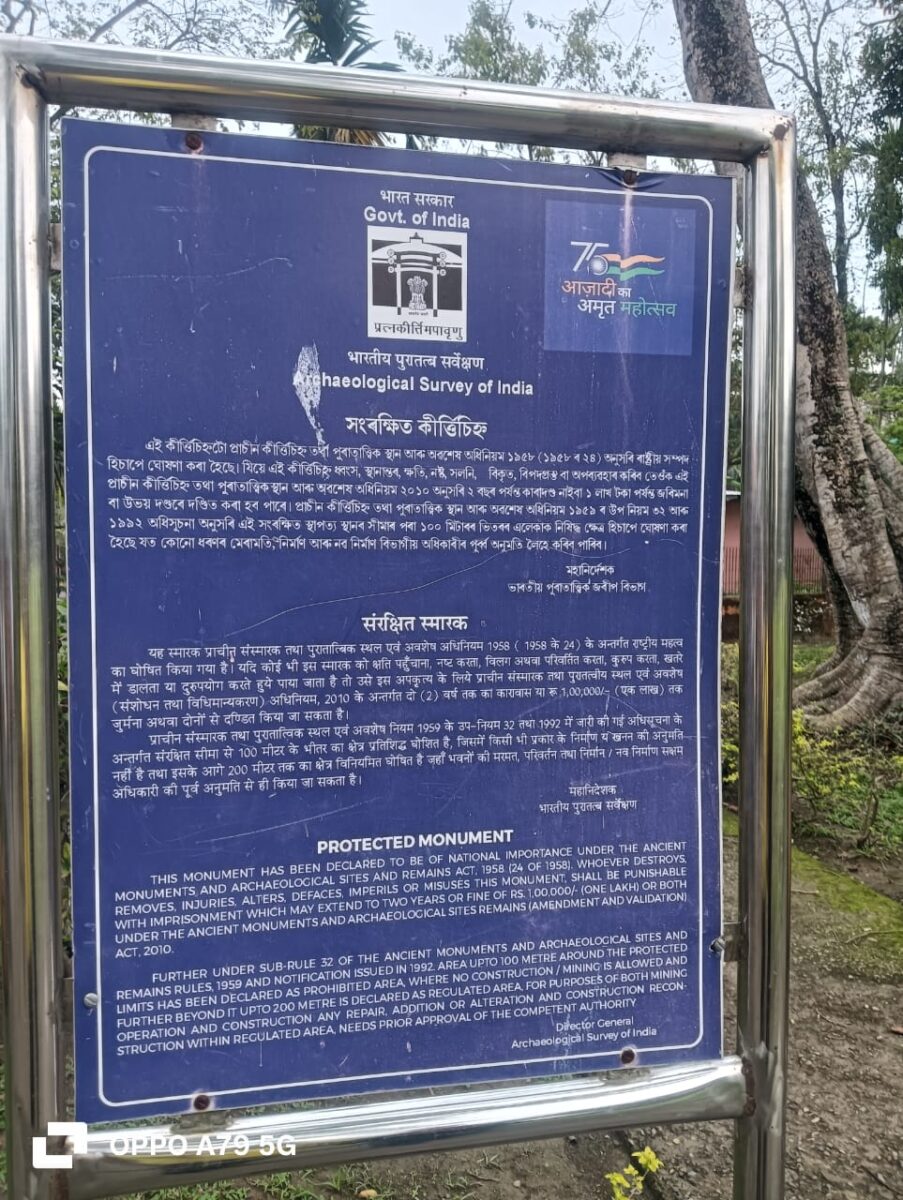
Daparbatia Archaeological Site
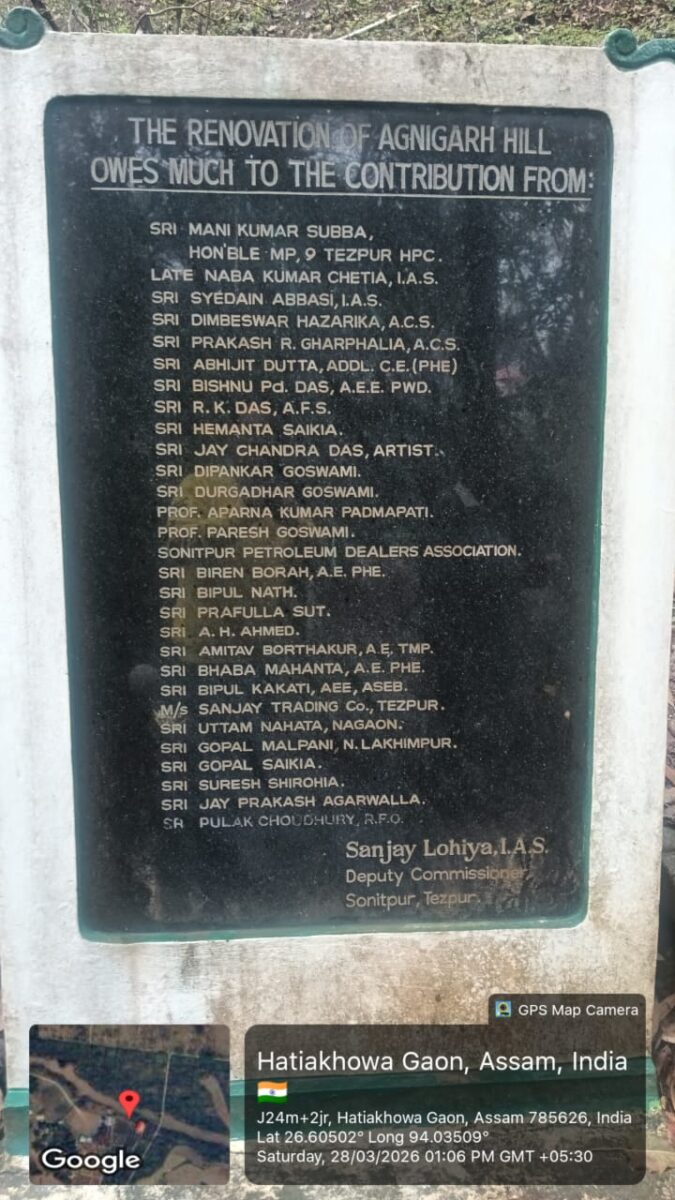
Agnigarh Hill
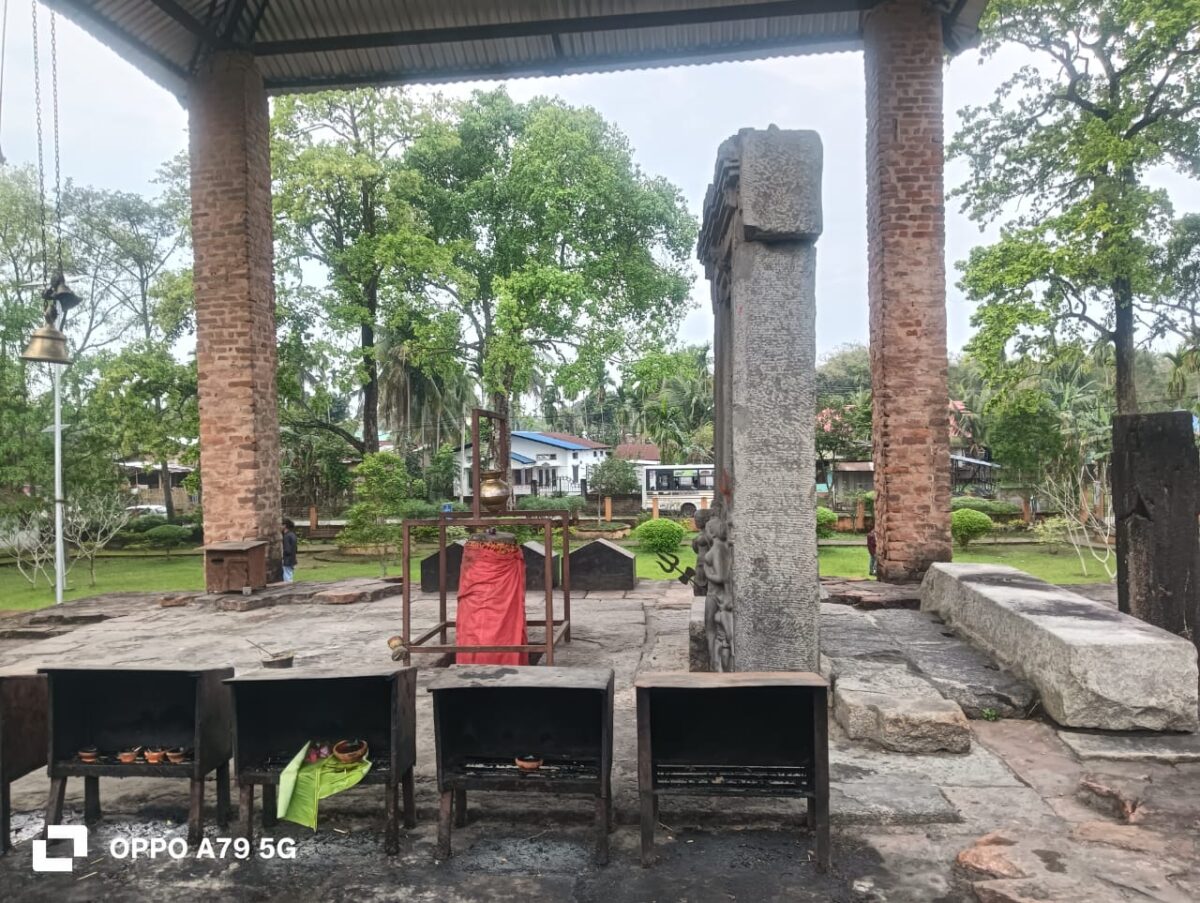
Mahabhairav Temple
Objectives of the Field Study
To understand the historical and cultural significance of Tezpur.
To observe ancient architectural styles and archaeological remains.
To collect primary data from historical sites.
To develop analytical and research skills among students.
Activities Undertaken
Students actively engaged in various academic activities during the visit:
Observation and documentation of architectural features.
Collection of raw data through field notes and photography.
Group discussions on historical relevance and preservation.
Interaction with local sources and guides for additional insights.
Learning Outcomes
The field study proved to be highly beneficial for the students:
Enhanced understanding of Assam’s historical heritage.
Practical knowledge of archaeological structures, especially the Gupta-period remains at Daparbatia.
Improved skills in fieldwork, data collection, and historical analysis.
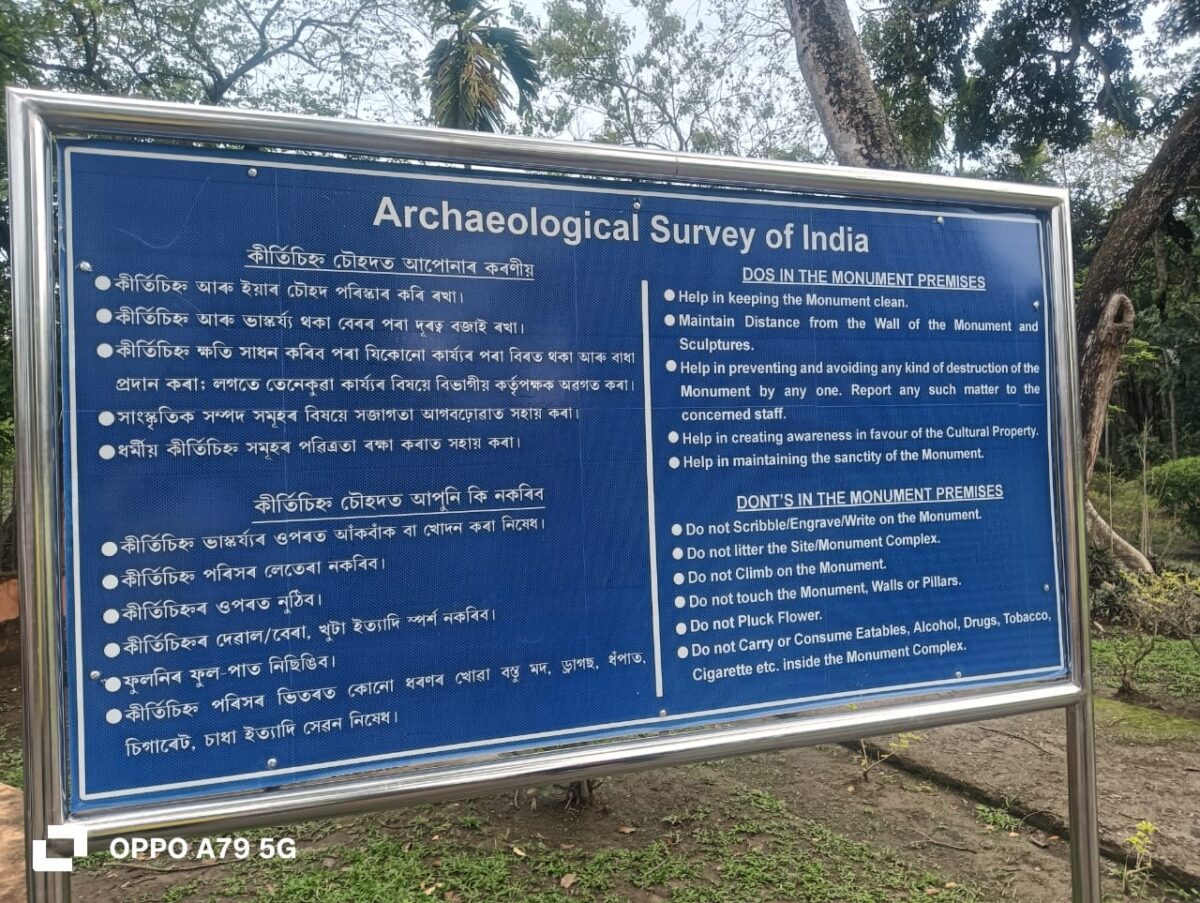
Greater awareness of the need for conservation of historical monuments.
Conclusion
The field study to Tezpur was an enriching and educational experience for the students. It successfully bridged the gap between theoretical knowledge and practical understanding of history. Such visits play a vital role in developing a deeper appreciation for cultural heritage and should continue to be an integral part of the academic syllabus.